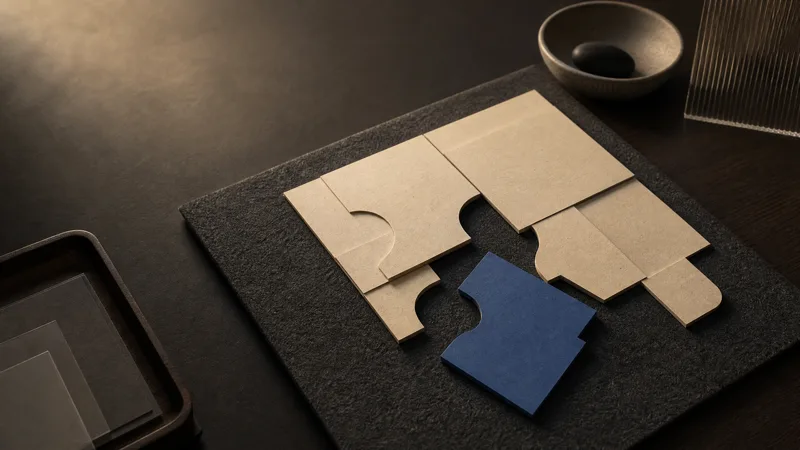
A new request often exposes rules that were always present but never tested together in the old workflow.
The practical check
Treat a surprising failure as a question about the underlying model: what assumption did the new feature force into view?
Where AI fits
AI can trace a new failure back to previously untested assumptions or invariants and prepare the questions that would test whether those assumptions still hold.
The human decision
People decide which assumption to change and verify that the repair does not break other valid cases.
The lesson
A new feature is useful evidence when it exposes an old assumption that needs to be tested against the full range of valid work.
That feature-triggered invariant check is worked through in the Build Log companion.
AI Skills
Use this lesson with the AI assistant you already use
Map a new request to the assumption it exposes, evidence, and a human-reviewed repair question.
Paste the prompt, share only the context needed to answer it, and treat the result as a draft for your review. Do not include confidential information or let an AI assistant make changes without your approval.
Optional: for a visual report and saved memory, run /dxdev first.
Don’t have it? Get it at dxdev.com/skills/dxdev. The prompt works without it.
dxdev LESSON · paste into your AI agent

LESSON: Use a New Feature to Test Old Assumptions

WHAT TO SHARE:
A de-identified description of the work, current evidence, and the decision you are considering.

ASK YOUR AGENT TO:
1. Separate confirmed facts from assumptions and unanswered questions.
2. Map a new request to the assumption it exposes, evidence, and a human-reviewed repair question.
3. Identify the narrowest useful next review step.

RETURN:
A short table with the evidence, uncertainty, human-owned decision, and next action.

BOUNDARY: Do not change records, contact anyone, route work, publish content, or act in an external system. A person must review the evidence and approve every consequential step.